
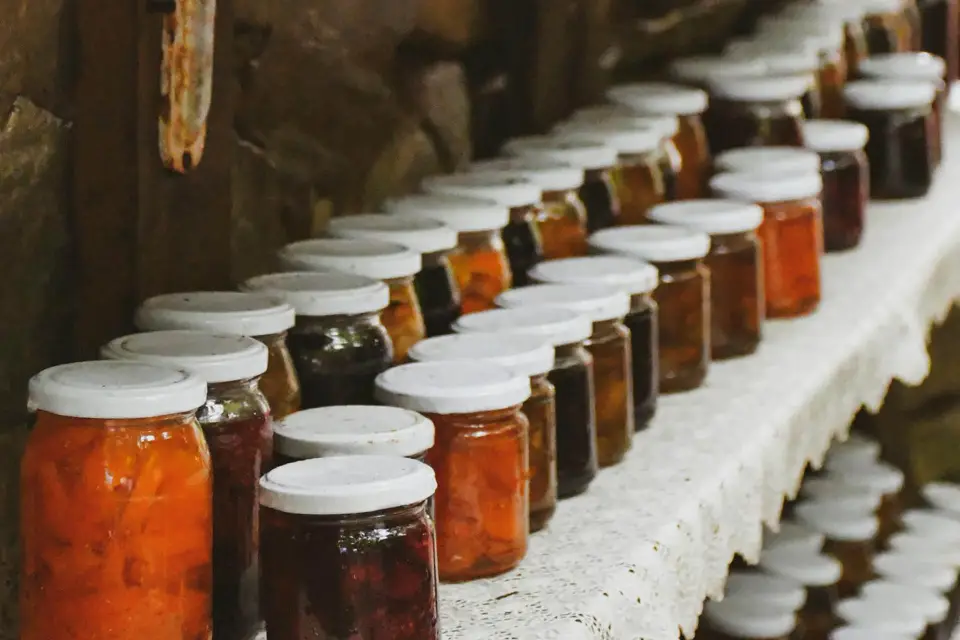
As the autumn abundance begins to roll in during those first cool days of September, the snowy cold months of January, February and March can seem impossibly far away. We revel in delicious varied fruit, the last field tomatoes, squash, autumn greens, and all the roots we can eat! As the autumn moves in, we begin to see the variety of locally grown vegetables and fruit begin to diminish slowly. Eventually, it can seem like the wide assortment of fresh local food is scarce!
If you've begun to recently focus on incorporating locally grown and produced food as a major part of your diet, continuing that into the winter can seem like a huge challenge. With a closer look at what local ingredients are available throughout the winter, a bit of creativity, and some planning ahead of time, your winter meals can be as full of life and excitement as in any other season. In this article I'll lay out some ideas for eating local in the winter, as well as staying excited about simple ingredients. "Eating the Seasons" can be a very engaging and connecting experience!
Where to Source Local Food In The Cold Months
While some Farmer's Markets are seasonal and will close up shop in the autumn, many will move indoors and continue to serve customers right through until spring. Be sure to ask vendors or market staff about this! While selection can begin to shrink, farmers will often be bringing storage crops and often fresh greens for the winter months. Of course, there is often meat, eggs and dairy available year round from your local farmer of those products.
If your local farmer's market is seasonal, consider asking your farmer about purchasing directly from them. Many vegetable farms are happy to organize bulk purchases with a bit of coordination ahead of time. Some great items to stock up on are potatoes, sweet potatoes, carrots, beets, cabbages, onions, garlic, and many more.
Check out if your community has a cooperative, or an independent grocery store, or a natural foods store. Often these shops value and source from local producers over imported ones and can have wide arrays of local ingredients. These are often great places to source local greenhouse grown greens in the winter, microgreens, or mushrooms.
I'll highlight again; reach out to your local growers and producers! Often they are very happy to provide direct sales, or at the very least will tell you where you can find their goods to purchase.
Preserving and Storing
It can be easy to miss out on peak harvest season for a certain vegetable, particularly in the summer when it seems like the abundance will never end. On that note, inquire with your farmer about buying bulk tomatoes during peak tomato season and preserve them then, rather than waiting until September only to find there are none left, for example. This type of planning and understanding of the harvest cycles can feel a bit daunting or awkward at first, but quickly becomes second nature and a very satisfying way to orient yourself in seasonal time.
Often fridge space can quickly fill up, as many of us passionate and excited about food are all too familiar with. A simple, albeit requiring a bit of time, way to address this is by doing some food preservation. Pickling and lacto-fermentation are simple and empowering ways to preserve fresh foods in a cost effective way and with minimal special equipment. If you're planning to buy, or if you're harvesting from your own garden, a large amount of a specific type of vegetable at once, a bit of planning as to how and when you want to process it is a good idea. Setting aside an afternoon as a food processing time will help you stay accountable to doing it, and keep that nourishing food from going bad! Also ask yourself what you enjoy eating. If you didn't like pickles as a kid, maybe try some now and see how you feel about them before you make a huge batch and realize you don't enjoy them. Often a change in the seasoning is all it takes to find the flavour you like, so experiment and have fun!
A short list of some simple ways to preserve the abundance:
- Tomatoes: tomato sauce, salsa, green tomato salsa
- Cabbage: sauerkraut (there are countless variations you can do here!)
- Carrots: Fermented shredded carrots, pickled carrots
- Zucchini: zucchini pickles are a favourite of ours now! Just make pickles the same way you would with cucumbers
- Fruits: jams, jellies, freezing and dehydrating
- And so so much more...
There are plenty of resources describing simple ways to pickle or ferment your favourite vegetables. With a bit of a playful attitude, it can become a very fun and rewarding seasonal tradition to make a big batch of your new favourite preserves.
Another simple and low tech way to preserve fresh produce is by dehydrating or drying. Fruits and mushrooms are excellent this way, and many vegetables are also good to process this way.
For those vegetables you have space to store and aren't going to process, do a bit of research on optimal storage requirements to keep them fresh for the longest amount of time. Carrots, beets, radishes and other taproot crops tend to want cold and high humidity, like in a plastic bag in a fridge. Potatoes, onions, and garlic want to be in a cool and dry environment. Think about where in your home you can store that meet those conditions. Sometimes even a closet that has no vents in it can keep potatoes firm well into the winter.
One last thought on stocking up for the winter is buying bulk meat. This of course requires freezer space and money up front. If you have even a small chest freezer though, buying a quarter or half of a cow or pig costs much less per pound than buying the same amount of meat over the long term. Like all the food preservation techniques and storing food in general, it also gives a sense of security knowing you have an abundance of food at hand. In our home, we have a little envelope that we put $40 a month into, sometimes more, that is set aside to go towards our winter meat fund. That way we have a good amount of the cost covered by the time late summer and autumn rolls around and it is time to buy quarters or halves of an animal.
Supporting Farmers In The Winter
While many small-scale vegetable farmers offer main season CSA shares, fall and/or winter CSA shares are also offered by many growers. Often these will include cold season greens like spinach and radicchio, and storage crops like winter squash, potatoes, carrots and other roots. Joining a fall or winter CSA program can bring a good deal of variety into your kitchen with ingredients you may not otherwise think of using. As always, being a CSA member is of great value to the people growing the food, giving them certainty they have people to feed and the financial security of being paid upfront.
The same goes for buying bulk meat. Although it is a bit of an upfront cost to buy, there is the bonus of often getting cuts you may not otherwise be familiar with using, which can add some variety and excitement to your winter diet. Again, it is a great way to support the good people raising the animals!
Shifting Diet Towards Seasonal Ingredients
I think we are very lucky to live somewhere with such distinct seasons that offer unique ways of interacting with the world and each other. Culturally our day to day lives often don't change much with the seasons, as in our jobs tend to require the same things from us, our habits and rhythms often remain the same year round. By shifting our diets towards a more seasonally relevant way of eating, we can take part in building a truly sustainable culture, one that is rooted in place and time and not in global commerce and capital.
It can feel a bit like re-inventing the wheel at first to eat seasonally. You may find yourself wondering "what can I even cook?". I think there is a unique and exciting challenge in teaching ourselves and learning about what is abundant and available during the cold months, and how to use it. Some jumping off points are:
- Adapting recipes you already enjoy to seasonal ingredients.
- Soups, stews, and bakes. There are endless variations with these dishes that are perfect for squash, roots, and other winter available foods that can be made new and exciting by simple variations in seasoning and substitutions of ingredients.
- Winter salads, with ingredients like radicchio and grated roots.
- Finding inspiration in cookbooks or blogs. There are countless inspired and excited chefs and foodies who have done excellent work in compiling recipes and ideas on how to use seasonal ingredients. A simple web search, or going to your local bookstore or library can yield valuable resources to inspire and motivate.
Eating to Change the World
Given all the chaos and injustices in the world, it can seem daunting to know where to start putting our energy to enact change. I think our plates are a logical and important place to begin. By eating local throughout all seasons, we strengthen our community and nation's food sovereignty, support local economies and livelihoods, and strengthen our ties with one another. We develop a deeper sense of place and attunement to the seasonal flow, and realize just how much abundance this land we call home provides for us with the care and hard work of farmers and gardeners who grow with it. By eating local we engage with true sustainability and contribute to a culture that values good, nourishing, seasonal food.
Let's eat our way to the world we want to see!
Written by Terran Vaivars Szwarc of Meadow Sun Nursery and Gardens, Lyndhurst, ON